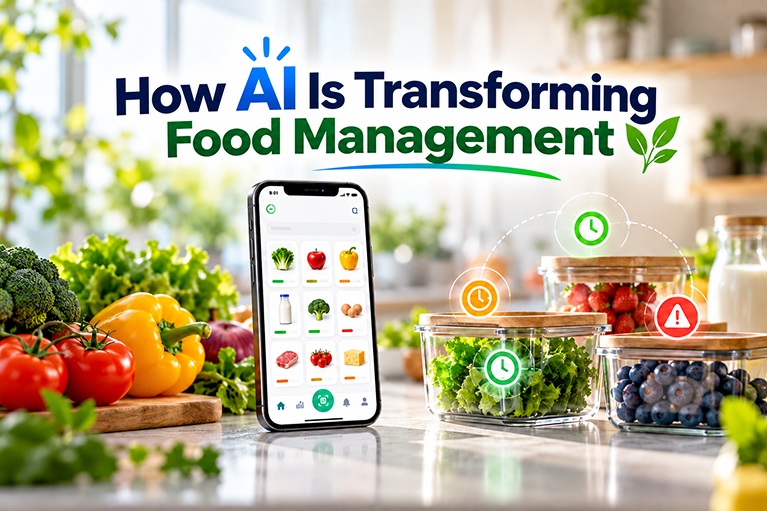


Food waste has become a growing challenge for households worldwide. Every year, large amounts of fresh food are discarded because ingredients are forgotten, expire unnoticed, or are purchased in excess. Besides increasing grocery expenses, food waste also places unnecessary pressure on the environment. Smart kitchen technology is changing this by helping families manage food more efficiently while promoting healthier and more sustainable living.
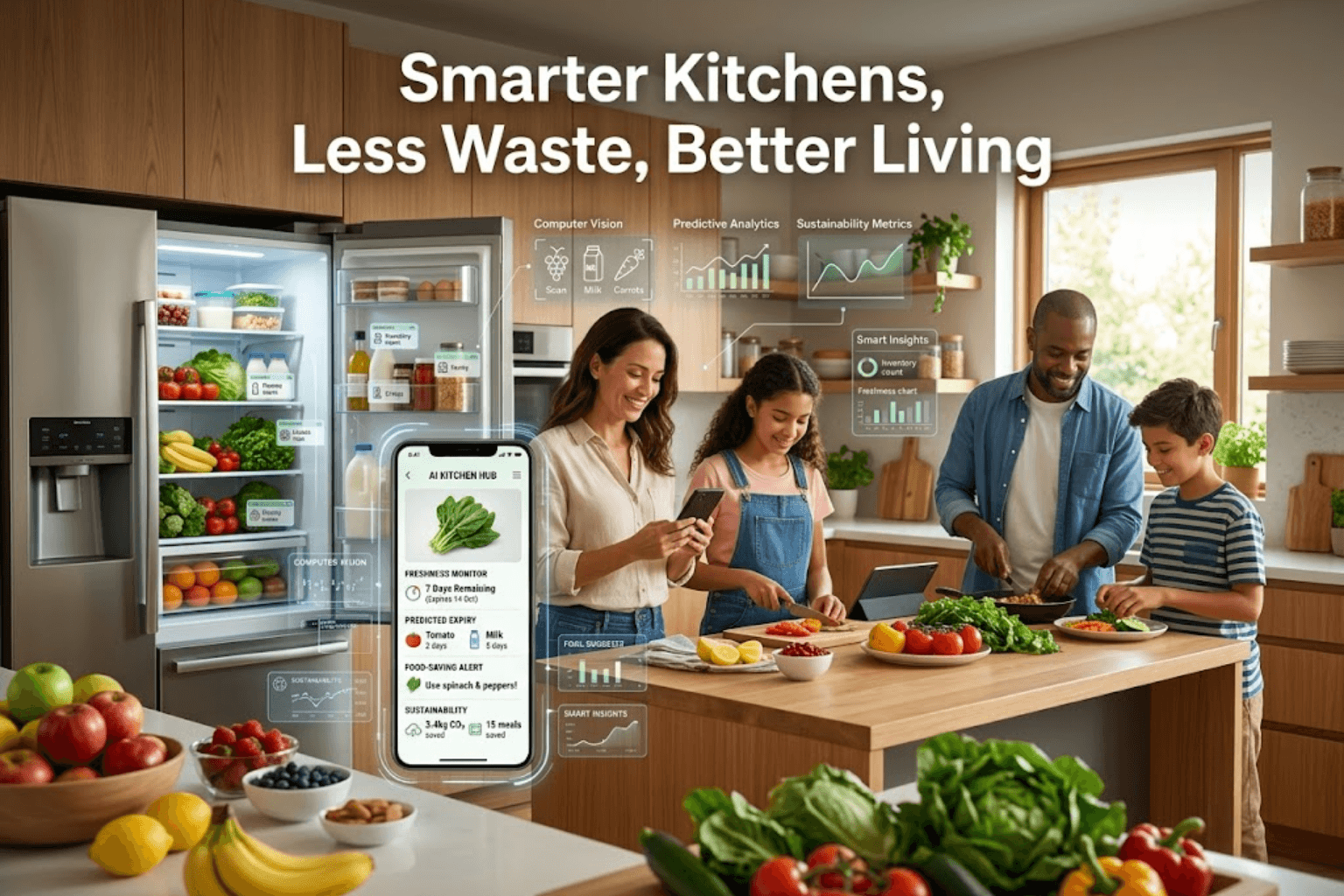
Modern smart kitchen platforms combine Artificial Intelligence, computer vision, predictive analytics, and inventory management into one connected ecosystem. By monitoring food freshness, tracking inventory, and providing personalized recommendations, these solutions help households reduce waste, save money, and make smarter food choices.
Why Smarter Kitchens Matter
Traditional kitchens rely on manual tracking of groceries and expiration dates, making it easy for food to go unused. Smart kitchen platforms provide real-time visibility into food inventory, helping households organize ingredients more effectively, reduce waste, and improve meal planning.
AI-Powered Food Recognition
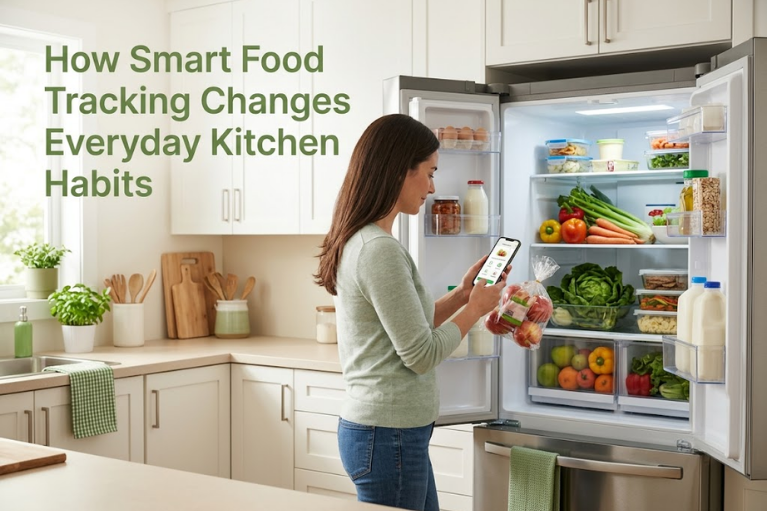
Artificial Intelligence and computer vision automatically identify fruits, vegetables, dairy products, beverages, and packaged foods stored inside the refrigerator. The system recognizes food items, estimates freshness, and updates inventory without requiring manual input, making kitchen management effortless.
Intelligent Freshness Monitoring
Knowing when food will expire helps families use ingredients before they spoil. Smart kitchen platforms monitor product freshness, predict expiration dates, and send timely notifications, encouraging users to consume food while it is still fresh and safe.
Smarter Meal Planning
AI-powered recommendations help users create meals based on the ingredients already available in their kitchen. By suggesting recipes that prioritize items nearing expiration, households reduce unnecessary purchases while minimizing food waste and simplifying daily meal preparation.
Reducing Household Food Waste
Food waste affects both family budgets and the environment. Smart kitchen solutions help reduce unnecessary waste by improving inventory management, encouraging better purchasing decisions, and providing reminders before food expires. This leads to more sustainable consumption habits and significant long-term savings.
Personalized Kitchen Insights
Advanced analytics provide valuable insights into grocery usage, food consumption patterns, shopping habits, and waste trends. These insights help families make informed purchasing decisions while improving kitchen efficiency and reducing unnecessary spending.
Supporting Sustainable Living
Reducing food waste contributes directly to environmental sustainability. By maximizing the use of available ingredients, lowering household waste, and promoting responsible consumption, smart kitchens help reduce carbon emissions while supporting greener communities.
Convenience Through Connected Technology
Smart kitchen platforms integrate seamlessly with mobile applications, allowing users to check refrigerator inventory, receive freshness alerts, access shopping lists, and view meal recommendations from anywhere. Connected technology makes everyday food management more convenient and efficient.
The Future of Intelligent Kitchens
Artificial Intelligence, IoT devices, smart appliances, and predictive analytics will continue transforming modern kitchens. Future platforms will offer automated grocery management, personalized nutrition recommendations, voice-controlled food assistants, and even deeper integration with connected smart homes.
Conclusion
Smart kitchen technology is redefining how families manage food by combining AI-powered inventory tracking, freshness monitoring, intelligent meal planning, and sustainability into one connected solution. By reducing food waste, lowering grocery costs, and encouraging healthier eating habits, smart kitchens create a more efficient and environmentally responsible way of living. As technology continues to evolve, intelligent kitchen platforms will become an essential part of building healthier homes and more sustainable communities.