

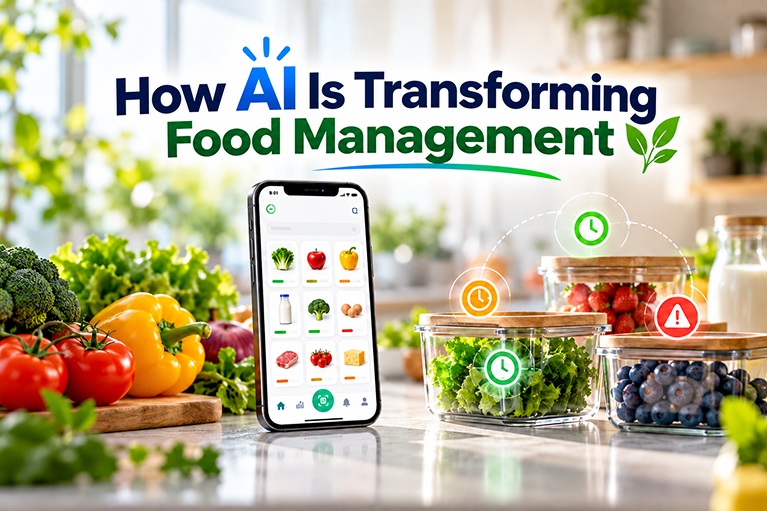
Artificial intelligence is changing the way people manage everyday tasks, and the kitchen is becoming part of that transformation. From recognizing groceries with a smartphone camera to predicting freshness and sending expiry reminders, AI can make food management more organized, efficient, and sustainable.
For many households, food waste happens because groceries are forgotten, expiry dates are overlooked, or people simply do not know what ingredients they already have. FreshWise combines AI-powered food recognition, predictive analytics, and smart insights to help address these everyday challenges.
The Growing Need for Smarter Food Management
Managing groceries manually can be difficult. A typical household may have fresh vegetables, dairy products, packaged foods, leftovers, and frozen items stored in different places.
Without an organized system, it is easy to forget food in the refrigerator, miss approaching expiry dates, purchase items that are already available at home, waste ingredients that could have been used, and spend more on groceries than necessary.
AI-powered food management brings these different aspects together into a more connected digital experience.
AI Food Recognition Simplifies Grocery Tracking
One of the most useful applications of AI in food management is food recognition.
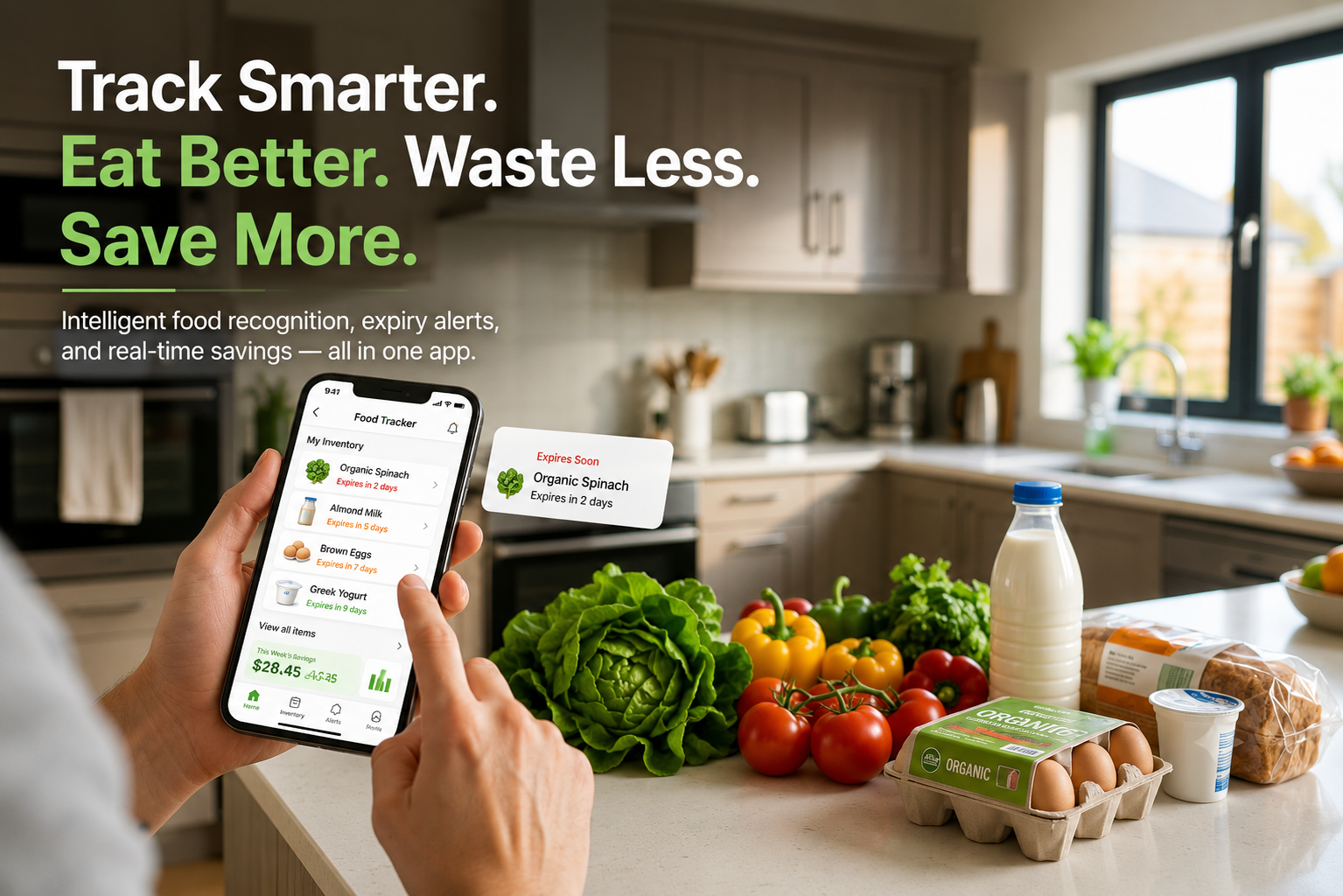
Instead of manually entering every grocery item, users can use a smartphone camera to scan food and add items to their digital inventory. FreshWise uses AI recognition to identify groceries and help users build their food inventory more efficiently.
This can save time while making it easier to maintain an updated view of what is available in the kitchen.
AI Can Help Predict Food Freshness
Knowing when food will expire is not always straightforward. Different foods have different shelf lives, and storage conditions can affect freshness.
FreshWise uses AI to estimate shelf life based on factors such as food type and storage conditions. This allows users to have more useful information than simply relying on a printed date.
The result is a more proactive approach to managing food before it becomes unusable.
Smart Expiry Alerts Reduce Forgotten Food
Even when people know an item is approaching expiry, it can still be forgotten.
Smart alerts can provide timely reminders before food spoils. Rather than discovering expired groceries during the next refrigerator cleanout, users can receive notifications that encourage them to use the food sooner.
This simple feature can turn food management from a manual task into an ongoing automated process.
AI Can Turn Ingredients Into Meal Opportunities
Another important part of intelligent food management is deciding what to do with food that needs to be consumed soon.
FreshWise provides rescue meal suggestions based on ingredients that need to be used. This can help users find practical ways to consume existing groceries rather than allowing them to go unused.
For example, instead of buying additional ingredients for a meal, users can first look at what is already available in their kitchen.
Smarter Grocery Decisions Can Support Savings
AI-powered food tracking can also provide better visibility into household grocery spending.
When users know what they already have, they can make more informed decisions before their next shopping trip. FreshWise's savings and impact dashboard is designed to track grocery savings, food rescued, and environmental impact.
Over time, this information can help households understand their food-management habits and identify opportunities to reduce unnecessary purchases.
From Food Waste to Food Sharing
Sometimes households have surplus food that they are unlikely to consume before it loses freshness.
Rather than throwing usable food away, FreshWise includes food donation connectivity designed to help users share surplus food with local communities and donation programs.
This creates another option for food that might otherwise become household waste.
AI, Sustainability, and the Modern Kitchen
Food management is not only about convenience. It is also connected to sustainability.
FreshWise's approach combines computer vision, predictive analytics, and smart insights to help households make more informed food decisions. Its stated mission is to help reduce household food waste while improving savings and measurable environmental impact.
AI therefore has the potential to make everyday sustainability easier by integrating smarter decisions directly into normal household routines.
What the Future of Food Management Could Look Like
The future kitchen may rely less on memory and manual lists and more on intelligent digital assistance.
A connected food-management system can help users scan groceries using AI recognition, track food through a digital inventory, monitor freshness and expiry timelines, receive smart reminders, discover meal ideas for food that needs to be used, share or donate suitable surplus food, and measure savings and environmental impact.
This approach can make food management more proactive rather than reactive.
Conclusion
AI is transforming food management by bringing intelligence into everyday kitchen routines. Food recognition, freshness prediction, expiry alerts, meal suggestions, and impact tracking can help households better understand and manage the food they already own.
FreshWise brings these capabilities together in an AI-driven food management platform designed to help households waste less, save more, and make smarter food decisions.